Linen in a British Heatwave: How to Stay Cool at Night
British heatwaves are their own kind of uncomfortable. Our homes are built to hold warmth in — brick, insulation, double glazing — which is lovely in February and quietly miserable in July. By bedtime, the bedroom has spent all day soaking up heat and is still giving it back. Add a duvet chosen for a Scottish winter and you have a night of flipping the pillow to the cool side.
Linen won't change the weather. It does change how the weather feels against your skin, and that is most of the battle.
Why linen behaves differently in the heat
Linen is made from flax, and flax fibre is unusually good at two things: moving moisture and moving air.
That matters more than it sounds. You cool down at night partly by releasing moisture through your skin. Cotton can hold onto that dampness and turn slightly clammy; polyester blends trap it altogether. Linen takes moisture up quickly and lets it evaporate, so the sheet against your back stays dry instead of becoming a warm, sticky layer you keep shifting away from.
Linen also feels cool on first contact. Flax conducts heat away from the skin more readily than cotton, which is why a linen pillowcase on a hot night feels genuinely nice to lie down on. It isn't magic — rest your hand there for a minute and it warms up — but it buys you the first few minutes of comfort, and those minutes are often what let you drop off.
Build a bed for July, not for January
The single biggest improvement most people can make costs nothing: take the duvet off the bed. A 13.5 tog duvet in a heatwave is a trap, however breathable the cover.
For hot nights, work in layers you can kick off without waking properly:
- Fitted linen sheet underneath, which is doing most of the work.
- A flat linen sheet over you instead of a duvet. One layer, loosely tucked, so air can move.
- An empty linen duvet cover if you like the feeling of something over you. The cover alone is surprisingly comfortable and much cooler than any filling.
- A lighter duvet, around 4.5 tog, for the nights that turn cool at 3am. Keep the linen cover on it.
If you share a bed with someone whose temperature runs differently from yours, stop negotiating over one duvet and give each of you your own cover. It solves more summer arguments than any fan.
Choosing linen for summer
Not all linen is equal in the heat. Weight matters more than thread count here — linen is usually sold by gsm (grams per square metre), and a lighter cloth drapes closer and feels cooler than a heavy one. If you are buying specifically for summer, look for the lighter end of a brand's range and leave the heavyweight sets for winter.
Stonewashed or garment-washed linen is softer from the first night, which means it sits against the skin without the slight stiffness of new cloth. Pale colours help too. A natural, white or pale grey set reflects light rather than soaking it up, and if sun lands on the bed during the day, you will notice the difference at bedtime.
What to wear — and what to leave off
Loose beats tight, every time. Sleepwear that grips your waist or bunches under your arms traps heat, whatever it is made from.
- Linen shorts and a sleeveless top, or a linen nightshirt. Loose, light, and it dries fast if you get warm.
- Cotton is a perfectly good second choice. It is less absorbent than linen but still breathes.
- Avoid polyester, satin-effect synthetics, and anything described as "silky" that isn't silk. They hold heat and moisture against the skin.
- Skip the socks unless you need them. Feet release a lot of heat, and bare feet on a linen sheet help you cool down.
If you sleep better with nothing on, that is fine — just make sure the bedding underneath you is breathable, because that is what you are actually lying on.
A ventilation routine for the whole day
Cooling the room is a timing problem. The aim is to trap cool night air and keep daytime heat out, which means the windows are not simply "open in summer".
- Early morning: before the sun hits the glass, close the windows and draw the curtains or blinds on the sunny side of the house. You are sealing in last night's cool air.
- Through the day: keep windows shut once the air outside is warmer than the air inside. A pale blind, or even a white sheet hung at the window, reflects a surprising amount of heat.
- Evening: once the outside air drops below your indoor temperature — often an hour or two after sunset — open windows on two sides of the house to create a cross-breeze.
- Overnight: leave that cross-breeze going. If the house is still hot upstairs, a fan placed in the window facing outwards pulls warm air out more effectively than one blowing it around the room.
Two small additions worth trying. A hot water bottle filled with cold water and frozen, put in the bed an hour before you get in and taken out before you lie down, takes the edge off a hot mattress. A cool shower shortly before bed, without drying yourself completely, works on the same principle.
Looking after linen in a hot spell
Wash linen bedding at 30 or 40 degrees with a gentle detergent, and skip fabric softener — it coats the fibres and reduces the absorbency you bought linen for. Line dry it if you can, or tumble on low, and take it out slightly damp; linen softens with every wash and irons far more easily while it still has some moisture in it.
You can also wash it less than you think. Airing a set over a chair overnight, or hanging it in the evening breeze, refreshes it well. Two sets in rotation makes that easy.
A simple night-time routine
An hour before bed, close the curtains on the sunny side if the sun is still low and hot, then open the bedroom window to let the cooler evening air in. Put a glass of water by the bed. Change into something loose and light, or nothing at all. Take a lukewarm — not freezing — shower and don't towel yourself completely dry.
When you get in, lie on top of the sheet for a few minutes rather than under it, then pull the flat sheet over you once your skin has cooled. If you wake in the night, turn the pillow over and put one foot out from under the sheet; cooling your feet and face lowers how hot you feel faster than rearranging the whole bed.
One sensible note: heat affects people differently. If you are pregnant, older, unwell, or taking medication that changes how you sweat, prolonged heat at night is worth taking seriously — a pharmacist or GP can advise on your particular situation, and the same goes for babies and young children, whose needs differ from an adult's.
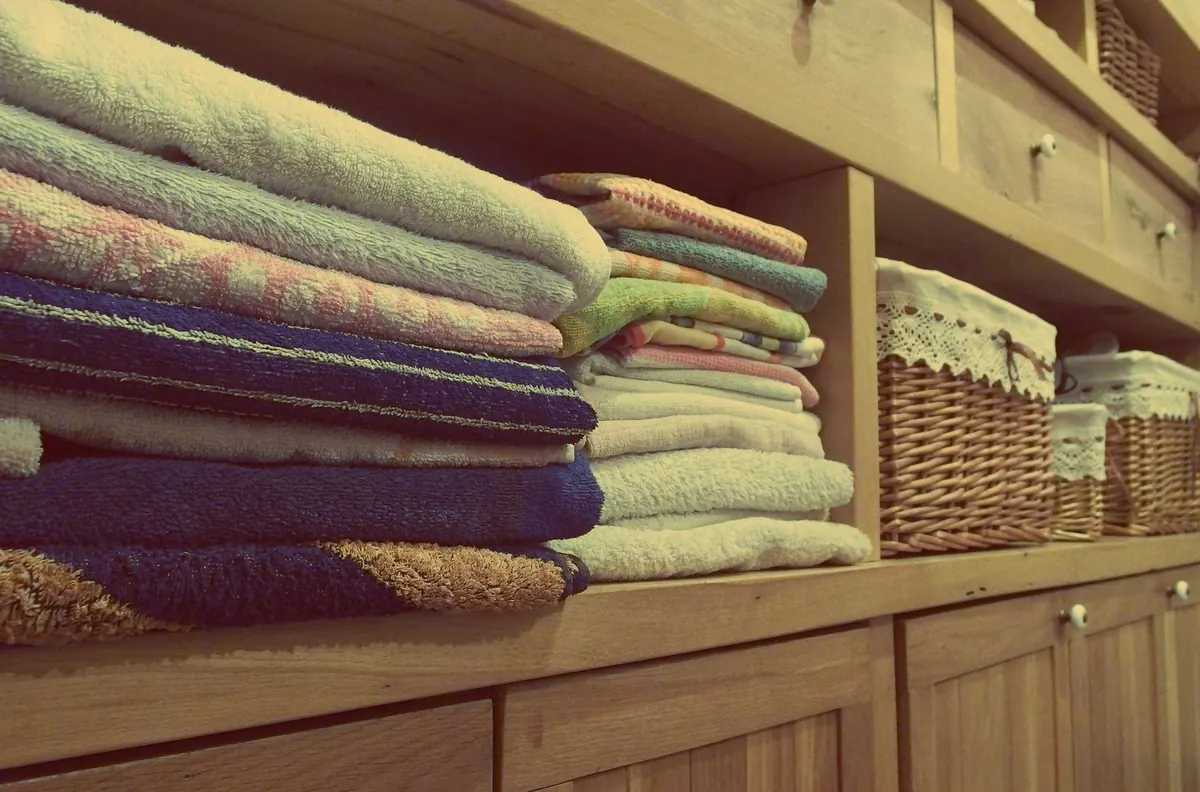
Photo: keresi72 / Pixabay
You Might Also Like
A practical guide to storing towels, bath mats and laundry in a compact UK bathroom — keeping everything dry, tidy and easy to reach without a bigger room.
Linen creases, but it presses beautifully with the right heat and moisture. A practical UK guide to iron settings, steam technique and avoiding shiny marks.